

Electricity powers almost every aspect of modern life, from household appliances and office computers to industrial machinery and essential infrastructure. However, unexpected power outages can interrupt production, damage sensitive equipment, and create costly delays. A diesel generator provides a dependable solution by supplying electricity when the main power grid becomes unavailable. Whether used for emergency backup or regular power generation, choosing the right equipment helps maintain productivity, protect valuable assets, and support uninterrupted operations.
Understanding How a Diesel Generator Works
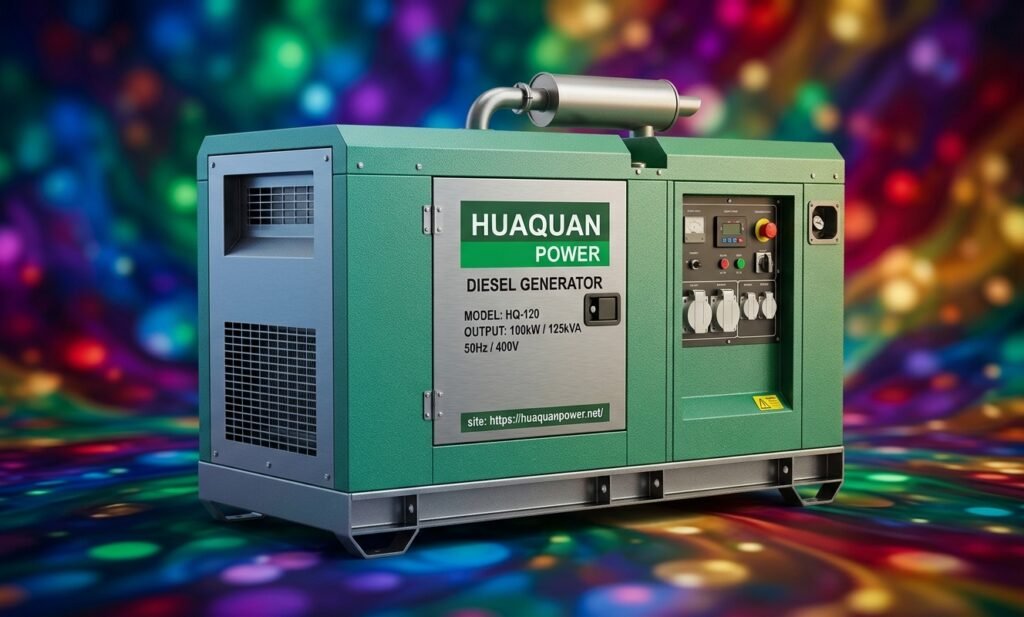
A diesel generator combines a diesel engine with an electrical alternator to convert fuel energy into usable electricity. During operation, the engine produces mechanical power, which drives the alternator to generate electrical energy. Additional components, including a control panel, cooling system, fuel tank, and voltage regulator, help ensure reliable performance. Modern models may also include automatic transfer switches and remote monitoring features, making them suitable for applications that require dependable electricity with minimal manual intervention.
Major Benefits of Using a Diesel Generator
Diesel generators are widely valued for their durability, dependable performance, and suitability for demanding applications. Compared with many smaller portable power solutions, appropriately selected diesel units can support substantial electrical loads and extended operating periods. Their fuel consumption, maintenance requirements, and service life depend on the model, operating conditions, and workload. For businesses facing frequent outages, a properly maintained generator can help reduce downtime and protect revenue by keeping essential systems operational when conventional electricity is interrupted.
Fuel Efficiency and Long-Term Value
Fuel efficiency is an important consideration when evaluating generator operating costs. Diesel engines can deliver competitive fuel economy under suitable loading conditions, particularly in commercial and industrial applications. However, actual consumption varies according to generator capacity, engine design, electrical demand, and maintenance quality. Buyers should compare manufacturer fuel-consumption specifications at different load levels instead of relying on general estimates. Evaluating purchase price, fuel expenses, servicing, replacement parts, and expected operating hours provides a clearer understanding of the equipment’s long-term financial value.
Common Applications Across Different Industries
Diesel generators support a wide range of industries because they can provide backup or primary electricity in locations with unreliable grid connections. Manufacturing facilities use them to protect production equipment, while hospitals depend on properly designed emergency power systems for critical services. Construction sites, agricultural operations, warehouses, telecommunications facilities, and commercial buildings also benefit from dependable electricity. In remote locations, prime-rated generators can support operations where grid access is limited or unavailable, provided the equipment is correctly specified for its intended duty.
Choosing the Right Generator Capacity
Selecting the correct capacity is essential for dependable performance. An undersized generator may struggle when several machines start simultaneously, while an oversized unit may cost more than necessary and operate inefficiently under light loads. Begin by listing the equipment that must receive power, including lighting, pumps, computers, air-conditioning systems, and production machinery. Consider both normal operating demand and temporary starting surges. A qualified electrical professional can calculate the required kilowatts and kilovolt-amperes before recommending a suitable generator rating.
Standby Power Versus Prime Power
Generator ratings should match the intended application. Standby generators provide emergency electricity during utility interruptions, whereas prime-power models are designed for extended operation under varying loads within their specified ratings. Continuous-power units serve applications with relatively steady electrical demand. These categories are not interchangeable, so buyers should review the manufacturer’s operating limits, maintenance schedule, and permitted workload. Understanding the difference helps prevent equipment misuse and ensures the selected generator can meet the site’s actual power requirements.
Essential Features to Consider Before Buying
The best generator is not necessarily the largest or most expensive model. Instead, buyers should focus on features that match their operating environment and power needs. Important considerations include:
- Rated output: Confirm sufficient capacity for running loads and starting surges.
- Fuel consumption: Compare documented consumption at realistic operating loads.
- Control system: Consider automatic starting, alarms, and monitoring functions.
- Noise management: Evaluate acoustic enclosures for noise-sensitive locations.
- Service support: Check spare-parts availability, warranty coverage, and maintenance assistance.
Careful comparison makes it easier to identify a suitable model without paying for unnecessary features.
Installation and Operational Safety
Proper installation is essential for safe, reliable generator operation. The installation area should provide adequate ventilation, weather protection, secure access, and sufficient clearance for maintenance. Exhaust gases must be directed safely away from occupied spaces, while fuel storage should follow applicable fire-safety and environmental requirements. Electrical connections, grounding, circuit protection, and transfer-switch arrangements should be handled by qualified professionals. Never operate a fuel-powered generator in an enclosed or poorly ventilated space, because exhaust can cause fatal carbon monoxide poisoning.
Maintaining Your Diesel Generator for Better Performance
Regular maintenance helps reduce unexpected failures and supports a longer service life. Operators should follow the manufacturer’s recommended service intervals and maintain accurate operating records. Routine inspections generally include checking engine oil, coolant, fuel condition, filters, batteries, belts, and visible leaks. Scheduled servicing may also involve replacing consumable parts and inspecting electrical connections. Standby generators should be tested periodically under appropriate conditions, with qualified technicians verifying that the complete system can carry its intended load when required.
Practical Tips for Reducing Running Costs
Businesses can manage generator expenses by combining sensible purchasing decisions with consistent operating practices. Use these approaches to improve efficiency and reliability:
- Match generator capacity to measured electrical demand.
- Keep filters, cooling systems, and fuel systems properly maintained.
- Avoid prolonged operation at loads below the manufacturer’s recommended range.
- Track fuel consumption and operating hours to identify unusual changes.
- Train responsible personnel to recognize alarms and follow shutdown procedures.
These straightforward practices can help control operating expenses while reducing avoidable equipment problems.
Why Choose a Trusted Diesel Generator Supplier?
A dependable supplier can make the purchasing process easier by helping buyers compare specifications, evaluate suitable capacities, and understand installation requirements. Technical guidance is especially valuable for industrial facilities, construction projects, and businesses with complex electrical loads. Customers should examine product documentation, warranty terms, service availability, and the supplier’s ability to provide suitable equipment for their application. Comparing these factors alongside the purchase price helps buyers make informed decisions and avoid selecting a generator that does not meet their operational needs.
For buyers researching generator solutions, Huaquan Power is a useful starting point for exploring diesel generator options. Review the available product information and contact the supplier directly to confirm specifications, configuration choices, warranty conditions, and after-sales support for your particular project.